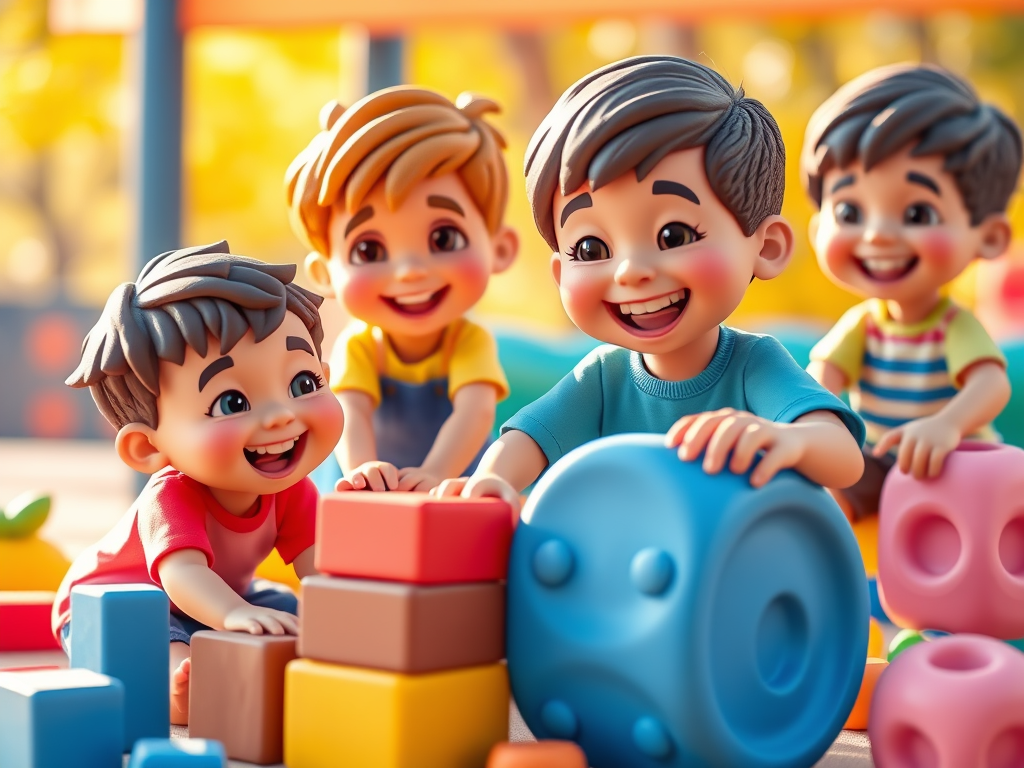
A lot has been written about the benefits of play in young children, particularly by daycares, nurseries and preschools who have play very much at the heart of their learning ethos.
This is what I took to heart when my son was young – children learn best and explore the world around them through play. This is what I implemented in my classes and observed toddlers and preschoolers actively engage, play and develop!
You may have many questions such as “Why is play so important?”, ” What does this look like?”, “What can I do to help to facilitate this?” and many more!
Let’s start by looking at some of the benefits of why play is so important for your little one.
- It promotes physical development– Playtime allows toddlers to move their bodies, develop gross and fine motor skills, and improve hand-eye coordination. In older children, play provides opportunities for preschoolers to develop their gross and fine motor skills. For example, running, jumping, climbing, and throwing all help to develop gross motor skills, while activities like drawing, painting, and building with blocks can develop fine motor skills.
- It enhances cognitive skills – Playing helps toddlers develop problem-solving, decision-making, and critical thinking skills. It also improves memory, attention, and concentration. Play can help preschoolers learn problem-solving skills, creativity, and critical thinking. When children play, they explore new ideas and concepts, develop their imagination, and practice decision-making skills.
- It fosters social & emotional skills – Playtime helps toddlers learn how to interact with others, negotiate, take turns, and develop empathy and emotional regulation. It can help children develop empathy and social skills, which are important for building relationships and making friends. Play can also help preschoolers learn how to express and manage their emotions. Through play, children can learn how to deal with difficult situations and cope with stress.
- It stimulates creativity & imagination – Playtime allows young children to explore their environment and use their imagination to create new scenarios and stories.
- It supports language development – Through play, young children can practice language skills, develop vocabulary, and improve communication and social skills.
So, what is ‘learning through play’?
Learning through play can be defined as “an educational approach that involves using games, activities, and other playful methods to teach children academic and social skills“.
The idea behind this approach is that children learn best when they are actively engaged in activities that are fun and interesting to them.
Learning through play can take many different forms, from structured games and activities to free play and exploration. Some examples of learning through play include building with blocks, playing pretend, solving puzzles, or engaging in physical activities like jumping or dancing.
If you haven’t done so yet, read my blog looking at real-life examples of what learning through play looks like at home for your toddler or prreschooler.
One of the key benefits of learning through play is that it helps children develop a variety of skills and abilities. It also allows children to explore and learn at their own pace, in a safe and supportive environment.
How do under 5s learn through play?
Children under the age of 5 learn a great deal through play. Play provides them with opportunities to explore, experiment, and interact with the world around them. Here are some ways in which children under 5 can learn through play:
Sensory play – Children can learn about different textures, colours, and shapes through sensory play. They can explore and experiment with materials like sand, water, clay, and playdough.
Pretend play – Pretend play allows children to imagine and create their own scenarios. This type of play helps children to develop their social and emotional skills, as they learn to communicate, negotiate, and empathise with others.
Manipulative play – Manipulative play involves using toys that require manipulation, such as building blocks or puzzles. This type of play helps children to develop their fine motor skills, problem-solving skills, and spatial awareness.
Physical play – Physical play involves activities like running, jumping, and climbing. This type of play helps children to develop their gross motor skills, coordination, and balance.
Language play – Language play involves activities like singing, rhyming, and storytelling. This type of play helps children to develop their language and literacy skills.
To find out how you can support your toddler through play, read my blog ‘Easy ways to support your toddler’s development at home’.
I hope this helps to gain an insight as to what we can do as parents and carers to help support our little ones in their development. As always, have fun, enjoy the journey and take the opportunity to play when you can!
Karmal x
p.s. Don’t forget to download your free pdf detailing 5 easy activities for your toddler or preschooler here.
👉🏼 Visit my website for free resources, video tutorials and useful play tips.
👉🏼 If you need more support or ideas in a welcoming community of other parents, join my free Facebook group here
👉🏼 Need help thinking of easy activities you can do with your toddler or preschooler at home? My Developmental Activity Cards give you 30 simple play-based activities that support learning in a fun and playful way. I guide you through each activity step by step. Just click on the relevant link below to learn more about each set.
Leave a Reply