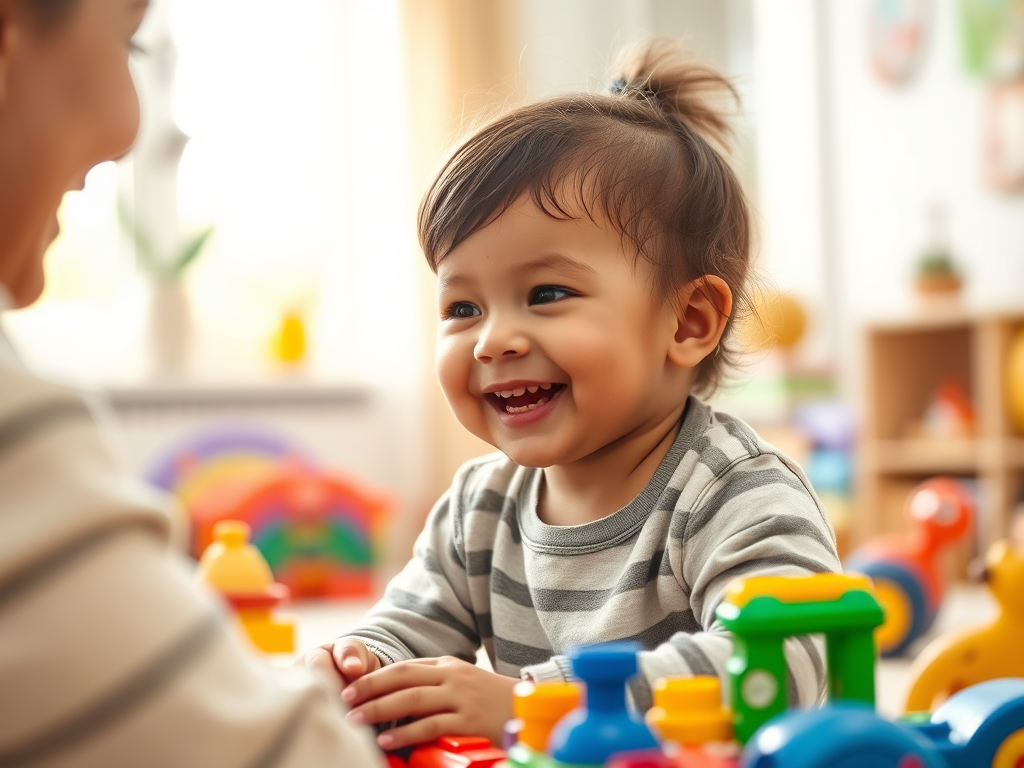
If you’ve ever asked your toddler, “Do you want a snack?” and only got a one-word answer (or maybe just a head shake!), you’ll know that not every question leads to much conversation.
At around 2–3 years old, little ones are learning so many new words and starting to put them together into sentences. This is such a magical stage, but they need practice and encouragement to grow their language skills. That’s where open-ended questions come in.
Instead of yes/no answers, open-ended questions invite your toddler to share ideas, explain their thinking, and use their imagination. You don’t need to set up anything fancy, these conversations can happen during playtime, at mealtimes, or even while putting on shoes.
Why Open-Ended Questions Are So Powerful
When we ask toddlers open-ended questions, we’re helping them:
- Grow their vocabulary (by using and hearing new words in context).
- Build thinking skills like problem-solving and predicting.
- Express emotions and start putting big feelings into words.
- Develop confidence because they feel listened to and valued.
- Strengthen connection—you’ll both enjoy these little chats together!
I always remind parents in my Facebook group: it’s not about quizzing your child, it’s about sparking fun, natural conversations that help their learning along the way. Here are some questions for you to try – if you have a preschooler, ask them these too!
About Their Day
- What was your favorite thing we did this morning?
- What made you smile today?
- What should we do next?
Exploring Feelings
- How does your body feel when you’re happy/sad/excited?
- What makes you feel cosy?
- What makes you feel brave?
During Playtime
- What should we build with these blocks?
- What’s happening in your game?
- What else could we use for the teddy bear’s bed?
At Mealtimes
- What does your food taste like?
- What do you think this carrot could be if it wasn’t a carrot?
- If you could cook anything, what would you make?
Exploring Outdoors
- What can you see/hear/smell around us?
- Where do you think the birds are flying to?
- What could we find if we looked under that rock?
Imagination Starters
- If you could be an animal, which one would you be?
- What would happen if your toy car could really talk?
- Where would you go if you had wings?
Problem-Solving Prompts
- How can we make this tower taller without it falling down?
- What could we try if the puzzle piece doesn’t fit here?
Tips to Keep Conversations Flowing
- Pause and wait. Toddlers often need a little extra time to find their words.
- Follow their lead. If your child latches onto an idea, explore it with them.
- Show interest. Repeat back what they say and expand on it.
- Keep it playful. The best chats often happen while you’re stacking blocks, peeling bananas, or splashing in puddles.
These years go so quickly, and the simple questions we ask now really do build the foundation for our little ones’ confidence, communication, and thinking skills. By asking open-ended questions, you’re not just sparking conversation, you’re giving your toddler the chance to practice new words, explore their imagination, and share their wonderful ideas with you.
So next time you’re playing, eating, or even tidying up together, try slipping in one of these questions. You might be surprised at the gems your toddler comes out with!
Karmal x
(Visit my website www.learninglighthouse.net for freebies!)
p.s Want more easy ways to boost your child’s learning through play? Download my free guide with 5 simple activity ideas you can set up in minutes. They’re fun, quick, and perfect for toddlers and preschoolers. Just click on the link here.
✨ Need help with getting your preschooler to grow and thrive at home? My Developmental Activity Cards give you 30 simple play-based activities that support learning in a fun and playful way. I guide you through each activity step by step. Just click on the relevant link below to learn more about each set.
Leave a Reply